
2026 Athens Intensive Schedule
The mornings will focus on the following topics. The afternoons will be spent interviewing local church planters.Day 1
January 27
-
Sashko and David
A brief introduction to the intensive
Location for all main sessions:
First Greek Evangelical Church
Directions: Leof. Vasilisis Amalias 50, Athina 105 58
-
Mike Tilley
The gospel is the good news that God saves sinners through the life, death, resurrection, and ascension of his Son, the Lord Jesus Christ. This salvation is more than simply payment for our sins, it is the power for our sanctification and spiritual growth. Thus the gospel is the basis of our acceptance with God, the power underlying Christian community, and the impulse for mission in the world. We will discuss some key questions. How do we include both gospel astonishment and gospel obedience? How do we walk the balance beam that keeps us from both legalism and license? How do we keep the gospel central in worship, discipleship, evangelism, and church planting? We will discover that the gospel is not only good news for the lost. It is good news for the found, for the city, and for the world.
Recommended Reading:
Center Church by Tim Keller, chapters 1-6
Gospel Centered Leadership by Mike Tilley
-
A small break for coffee and conversation between morning sessions
-
David Stoddard
In considering if someone should plant a church, the foundational question is this: “Is he called to do so?” The great need of a city, the leadership skills of the candidate, even the urgency of the Lord’s command (Matthew 28:16-20), while essential elements, do not in themselves constitute a call. So what are key elements of this call and what are essential characteristics of a called church planter? Additionally, since we are focusing on teams in this cohort, what are key DNA factors for healthy church-planting teams?
Recommended Reading:
Authentic Ministry, Michael Reeves
-
Lunch is on your own, ideally with other members of the cohort.
From David Pervis: A list of recommendations of where to eat
David Pervis writes, "There’s lots of good food in Greece, and we’ve included an attachment with a few places we like in the areas around the Acropolis, Monastiraki, the Plaka, Syntagma Square, and Sigrou Fix. But there are literally hundreds of restaurants to choose from! Our advice would be to check TripAdvisor for recent reviews, as sometimes the touristy places can be ‘tired.’ Even better, ask your Greek colleagues where they would recommend. Καλή όρεξη!”
From Emmanuel Tsoutsas: A list of the best spots in Athens for food, ancient sights, coffee, beaches, and more
-
Location: The Pangrati Project
Directions: Douridos 2, Athina 116 34
Day 2
January 28
-
Alexandros Pipilios
You must somehow submerse yourself deeply into the context you want to serve. Of course, the best way to do this is to live with the people: learn their idioms, study their humor, enjoy their foods, listen to their stories, sing their songs. This takes time. A short cut is to learn to observe with spiritually sensitive eyes, like Paul when he visited Athens. This module helps you do this through explaining how various types of research help and how to summarize your findings in people profiles.
Recommended Reading:
Center Church, Timothy Keller (chapters 19-21)
-
A small break for coffee and conversation between morning sessions
-
Sashko Nezamutdinov
Theological vision is how we see our culture in light of our doctrine, and examining it will likely result in a ministry that serves others rather than ourselves. Differences in theological vision explain why two churches in the same denomination with the same creeds will look completely different to an outsider, or may even vehemently disagree with each other's choice of music, liturgy and programs. It is also why a first-time visitor may feel instantly alienated or embraced. The concept of "theological vision," or "middleware" between doctrine and ministry decisions.
Recommended Reading:
Center Church, Timothy Keller (Introduction)
-
Lunch is on your own, ideally with other members of the cohort.
From David Pervis: A list of recommendations of where to eat
David Pervis writes, "There’s lots of good food in Greece, and we’ve included an attachment with a few places we like in the areas around the Acropolis, Monastiraki, the Plaka, Syntagma Square, and Sigrou Fix. But there are literally hundreds of restaurants to choose from! Our advice would be to check TripAdvisor for recent reviews, as sometimes the touristy places can be ‘tired.’ Even better, ask your Greek colleagues where they would recommend. Καλή όρεξη!”
From Emmanuel Tsoutsas: A list of the best spots in Athens for food, ancient sights, coffee, beaches, and more
-
Location: Pisti sto Kentro (Faith in the Center)
Directions: Ipparchou 49-53, Athina 117 43
January 29
Day 3
-
Jonas Stava
Cultural apologetics is about defending the Christian faith by engaging culture (art, media, values) to demonstrate that Christianity responds to inner longings and is true, beautiful, and good. It's about connecting with people within their familiar cultural framework. It's about starting where people are and leading them to where they need to be. Cultural apologetics focuses less on rational argumentation and more on why God is needed, the consequences of secularism, and capturing people's imaginations through stories and narratives, connecting them with people's feelings and desires, and engaging their minds. It's a holistic approach to reaching the whole person in a way they understand. In this course, we will explore how cultural apologetics and ethics can be used to better prepare to bring the whole person to Christ.
Recommended Reading:
The Gospel After Christendom: An Introduction to Cultural Apologetics by Collin Hansen
Cultural Apologetics: Renewing The Christian Voice, Conscience, and Imagination in a Disenchanted World by Peter M. Gould
Cultural Sanctification: Engaging the World like the Early Church by Stephen O Presley
Telling a Better Story: How to Talk About God in a Skeptical Age by Joshua D. Chatraw
How Church Could (Literally) Save Your Life by Rebecca McLaughlin
-
A small break for coffee and conversation between morning sessions
-
Jonas Stava
There is less discussion about theology in Europe today than there was before. Ethical issues have replaced theological ones. People might not care if Jesus rose from the dead, but they do care about sexuality, well-being, family, immigration, Islam, the climate, and health. This course provides an opportunity for church planters to be better equipped how to engage secular Europeans with the ethical issues that are important to them, and how the gospel and a Biblical Worldview provide a better way.
Recommended Reading:
The Doctrine of the Christian Life: A Theology of Lordship by John M. Frame
The Book that Made Your World: How the Bible Created the Soul of Western Civilization by Vishal Mangalwadi
How Christianity Transformed the World by Sharon James
Cultural Apologetics: Renewing The Christian Voice, Conscience, and Imagination in a Disenchanted World by Paul M. Gould
How to Argue Like Jesus: Learning Persuasion from History’s Greatest Communicator by Joe Carter and John Coleman
Tactics: A Game Plan for Discussing Your Christian Convictions by Gregory Koukl
-
Lunch is on your own, ideally with other members of the cohort.
From David Pervis: A list of recommendations of where to eat
David Pervis writes, "There’s lots of good food in Greece, and we’ve included an attachment with a few places we like in the areas around the Acropolis, Monastiraki, the Plaka, Syntagma Square, and Sigrou Fix. But there are literally hundreds of restaurants to choose from! Our advice would be to check TripAdvisor for recent reviews, as sometimes the touristy places can be ‘tired.’ Even better, ask your Greek colleagues where they would recommend. Καλή όρεξη!”
From Emmanuel Tsoutsas: A list of the best spots in Athens for food, ancient sights, coffee, beaches, and more
-
Location: Greek Evangelical Church of Exarcheia
Directions: Emmanouil Benaki 83, Athina 106 81
January 30
Day 4
-
Andrew Lupton
The unprecedented rise of global mobility and the accompanying diaspora people group present missional opportunities to which Christ’s church must adapt and respond. International and multicultural churches are key strategic vehicles in this new age of migration for reaching and discipling peoples living outside their places of origin, particularly in European church planting context. This seminar overviews sociocultural realities of transience and belonging, challenges the natural instincts of culturally diverse churches to grow inward at the expense of participation on Christ’s mission. It envisions missional, diverse churches that not only minister to and through transnational migrants, but also support and catalyze church planting movements in their host countries.
Recommended Reading:
Scattered and Gathered: A Global Compendium of Diaspora Missiology, Tira, Sadiri Joy, and Tetsunao Yamamori. 2020. Kindle Edition. Langham Global Library
A Guide to International Church Ministry: Pastoring a Parade, Wald, Jack. 2016
From Bangkok to Bishkek Budapest to Bogotá: The Compelling Story of International Congregations, MacHarg, Kenneth D. EnerPower Press, 2020.
-
-
Mike Tilley
God works through prayer, leaders, and wise planning to advance his kingdom. But how do we formulate strategy that will work in our unique cultural context? This session offers two “tools” that we can use to formulate strategy. Both tools are team based and robust, meaning you can use them with your team, and you can use them in any context. The first is a big picture planning tool called “The Strategic Planning Process.” This tool guides a group to answer six questions to create a wise long-range plan for your ministry. The second tool is called “The Problem Solving Process,” and this one is a tool to solve problems and create solutions. Whether your challenges are evangelism, developing leaders, recruiting, making plans for discipleship, or numerous other challenges, you can use this tool to “mine group gold.”
Recommended Reading:
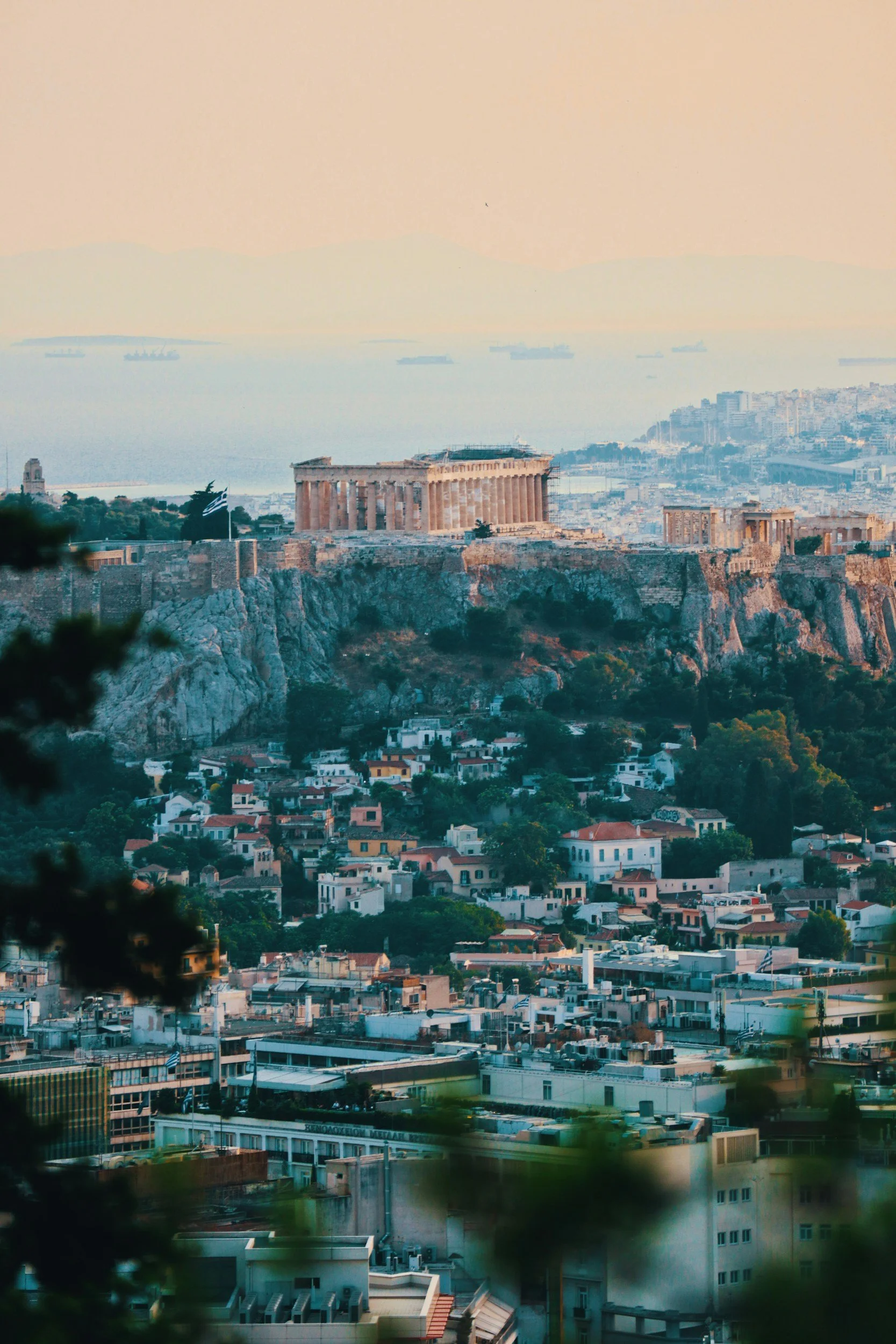
January Intensive Info
Athens, Greece
January 27-30, 2026
-
First Church recommends Acropolis Select (a 5-minute walk to First Church) or anywhere within walking distance of First Church
-
First Greek Evangelical Church
Leof. Vasilisis Amalias 50, Athina 105 58, Greece
Participants are on their own to buy appropriate tickets to/from the airport, as well as transportation over the 4 days.
We’ll be traveling to different church-planting sites each afternoon, so you’ll need to arrange your own transportation.
-
Getting to/from the airport
Airport shuttle buses run 24 hours
Taxi
Should cost 40-60 Euros to downtown Athens. Note that you will need CASH (in EUROS), as taxis don’t typically accept credit cards unless you book through the Uber or FreeNow apps. This will be the fastest and most convenient method.
Metro
May involve one or more line changes, depending on where you are staying. Tickets can be purchased from machines at the airport using either cash or a credit card. This will take longer than a taxi.
Getting around Athens
You will need to figure out which transportation card fits your needs best. We will be taking public transportation at least once per day. Feel free to share findings or recommendations with this group (or via our WhatsApp group).
Check out This is Athens for more info about using public transportation.
-
We ask that participants bring any snacks they want during the day. Lunch and dinner are on your own, or hopefully with others in the intensive.
-
From David Pervis: A list of recommendations of where to eat
David Pervis writes, "There’s lots of good food in Greece, and we’ve included an attachment with a few places we like in the areas around the Acropolis, Monastiraki, the Plaka, Syntagma Square, and Sigrou Fix. But there are literally hundreds of restaurants to choose from! Our advice would be to check TripAdvisor for recent reviews, as sometimes the touristy places can be ‘tired.’ Even better, ask your Greek colleagues where they would recommend. Καλή όρεξη!”
From Emmanuel Tsoutsas: A list of the best spots in Athens for food, ancient sights, coffee, beaches, and more